
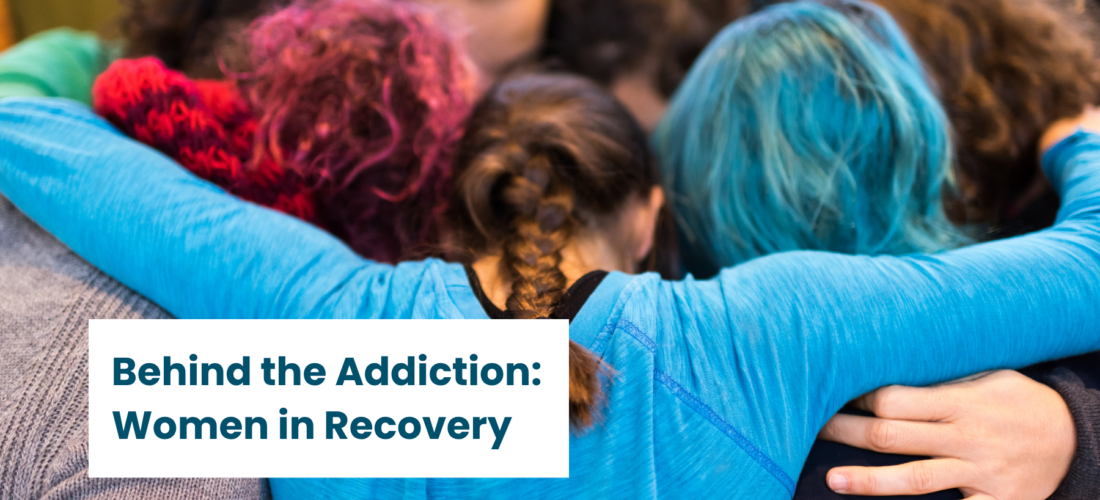
The Healthwatch Cumberland team caught up with two incredible women living in recovery in Cumbria, two years after taking part in our Behind the Addiction project.
Our Behind the Addiction project looked at the stories of 29 people living in either active addiction, recovery or who were a loved one of someone living with addiction.
We wanted to hear from some of the brave women who shared their stories of living in recovery during our Behind the Addiction project 2 years ago, to find out their perspectives on life in recovery and the support available to women:
“I have gratitude every morning when I wake up, especially for the little things like birds. When I was living in addiction, I didn’t even know what season it was.”
“I am a lot stronger than I was, but I will be an alcoholic for the rest of my life, so I need to be careful and make sure I keep going to recovery meetings and have community. Alcohol is advertised everywhere which makes it difficult, but I remind myself why I am sober. I do an inventory every night of whether I have been selfish, resentful or afraid, which helps me with my recovery.”
“After being involved with the Behind the Addiction project, I started gambling and nearly relapsed, but I had a wakeup call. I work in a local recovery service, and I would lose my job if I used again so this helps motivate me, I also feel inspired by other people’s recovery.”
“I’ve now moved into a new place and am living alone for the first time. I like my own company so I’m happy. I still go to AA and NA meetings. I’m working with a mental health team. I thought when I stopped drinking my mental health would get better, but it’s a lot. I’ve been speaking to a psychologist after waiting nearly 2 years to speak to someone. I’m still tempted to gamble, but I haven’t been doing this recently. If I start gambling and disordered eating again then I feel like I will be on a path to drinking.”
Recovery is a rewarding but very difficult process to go through. Being a woman in recovery can mean additional challenges from finding childcare for mums with children to facing further stigma and a recovery system that is designed predominantly for men:
“There are some barriers that women in recovery experience. There aren’t enough recovery houses for women and recovery meetings are in the evenings which makes it harder for mums who might feel like they can’t go because they’re looking after their kids. Kids aren’t allowed to visit recovery houses which is difficult. When I was in a recovery house, I just wanted to make tea for my kids and eat together. There’s no support for mothers with children to move out of a recovery service and live with their kids.”
“I found it hard to find housing when I moved out of the recovery house. Men are given more support to find housing. I don’t feel like I was given proper after-care.”
“I think there should be more women-specific recovery programmes which have more sensitivity around specific traumas such as domestic abuse. Recovery services are very male dominated. You can feel a bit left out sometimes.”
“There needs to be more facilities for women and more women’s recovery houses. You get trapped as there aren’t as many recovery opportunities for women as there are for men. I think there should also be ways of speaking to multiple services under one umbrella, e.g CADAS and Social Services. Many women are too afraid to seek recovery help as they are worried their kids will be taken away.”
“A lot of women don’t get help because of stigma. If I met another woman in recovery now, I would tell her “I’m proof that it’s doable. It’s hard work, but recovery is doable.” In recovery services, everyone just gets you. The best thing about recovery is you get your feelings back. When I was drinking, I didn’t care. I thought I would die an alcoholic.”
“I think many women are missed by recovery services, and there would be many more women in recovery services if the services were suitable.”
“I would tell other women to not be afraid of recovery. I didn’t think I deserved to be sober or to be happy. A lot of women feel like this and feel a lot of guilt. It’s so worth it to hang on and just do it. Be honest with people and accept help.”
If you would like to share your story with the Healthwatch Cumberland team, you can contact us via email to: [email protected]