
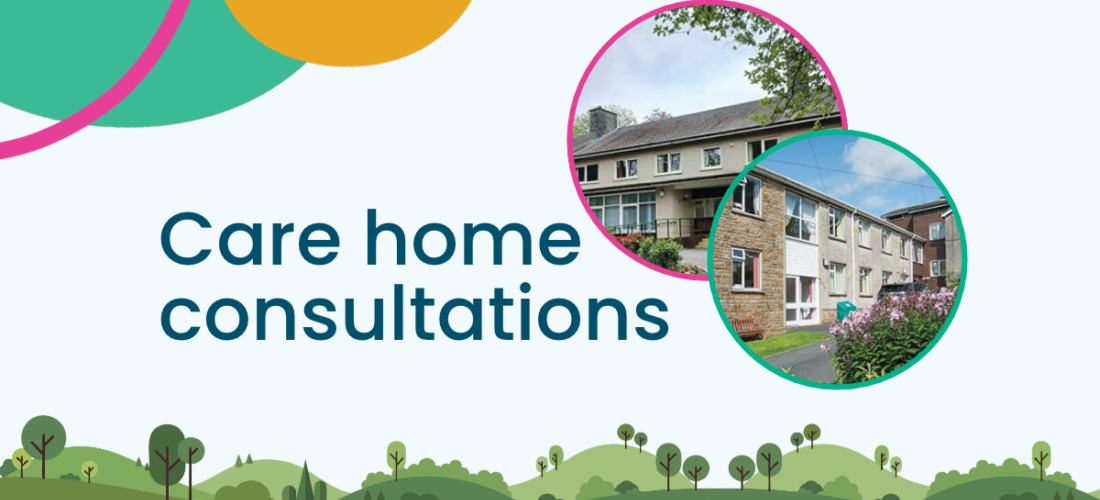
From concerns about being moved away from family and friends to fears about the future of care provision in rural communities, people shared strong and deeply personal views with us during our independent engagement on the future of Applethwaite Green Care Home, in Windermere, and Grisedale Croft Care Home, Alston.
Across both locations, residents, relatives, staff and community members consistently told us about the importance of local care services, trusted relationships and maintaining connections with the communities they call home. Many described the homes as much more than buildings, speaking about them as communities, support networks and places where people feel safe, settled and connected.
As the independent champion for people who use health and social care services, we were commissioned to gather feedback during Westmorland and Furness Council's consultations on the future of the two homes. Our role was not to advocate for a particular outcome, but to ensure that local people's experiences, concerns and aspirations were heard and accurately reflected.
We have now published our independent reports and presented our findings and recommendations to council commissioners to help inform the next stage of the decision-making process.
What we heard
At Applethwaite Green, the strongest message was that people wanted the home to remain open and for refurbishment options to be fully explored before closure was considered. Residents, relatives and community members highlighted the importance of continuity of care, the impact that relocation could have on residents, and the value of local family connections and community ties. Many also raised concerns about transparency and confidence in the consultation process.
At Grisedale Croft, people repeatedly described local care provision as essential to the future of the remote rural community of Alston Moor. While opinions differed on whether refurbishment, rebuilding or relocation would offer the best solution, there was broad agreement that care services should remain within the community and be designed to meet future local needs. Participants also called for greater integration between health and social care services and more detail about future plans.
Across both pieces of work, common themes emerged around trust, transparency, community involvement and the importance of ensuring that people can remain close to family, friends and support networks as they age.
Presenting our findings
Over the course of the engagement, we spoke with residents, relatives, staff and community members through care home visits, listening events, drop-in sessions and one-to-one conversations. Our reports capture the views and experiences shared with us and identify the key themes that emerged from those discussions.
Alongside our findings, we made a series of recommendations aimed at strengthening transparency, communication and community involvement throughout the next phase of the process. These include demonstrating how feedback has influenced decision-making, improving access to information and ensuring meaningful engagement continues after the consultation period has ended.
The council has confirmed that the feedback contained within our reports will be considered as part of future recommendations and will help inform future decision-making and communications.
What happens next?
The future of both homes will now be considered by Westmorland and Furness Council's Cabinet. Before Cabinet makes its decision, the council's Health and Adults Scrutiny Committee will examine and comment on the consultation process and findings. The final decisions on the future of both homes will be taken by Cabinet on 13 October.
Why independent engagement matters
Our role is to ensure that the experiences of patients, residents, carers and communities are heard by those making decisions about local services. These reports provide an independent record of what people told us and are intended to ensure that lived experience sits alongside financial, operational and strategic considerations.
We would like to thank everyone who took the time to speak with us, attend a listening event, share correspondence or otherwise contribute their views. Their feedback has helped ensure that the voices of local people form part of the conversation about the future of these important community services.
Read the reports here: