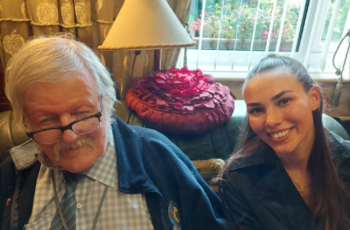
Advocacy is a powerful tool which supports people to speak up for themselves, have their rights and choices respected, and challenge inequalities.


Advocacy is a powerful tool which supports people to speak up for themselves, have their rights and choices respected, and challenge inequalities.
Our Advocates noticed that many patients on Mental Health Wards weren’t fully aware of their right to an Independent Mental Health Advocate (IMHA) or weren’t sure how advocacy could really help them.
So, to bridge that gap, our team started holding regular IMHA outreach sessions right on the wards of Carlton Clinic. These sessions were simple, short and easy to understand, where Advocates would explain what an IMHA does and answer any questions everyone had in a friendly group setting.
We made the sessions interactive by sharing examples of how advocacy can be a game-changer for things like tribunals, care planning, and making sure patients’ voices are heard. The goal was to build trust, clear up any confusion, and make advocacy seem more approachable and visible to everyone in the ward.
During these sessions, patients really got a better grasp of their rights under the Mental Health Act, and our staff also learned how advocacy can really shine alongside clinical care. Because of this, patients who might not have come to us on their own were able to get advocacy support after hearing about it through our outreach sessions. The Clinic’s staff noticed that things went more smoothly when advocates got involved early, and patients felt more informed and empowered to take part in decisions.

Claire is a Cumberland Independent Advocate at People First, and during one of her cases, she noticed that a patient’s medical needs weren’t being fully looked into. She knew it was vital to do some more tests to get a clear diagnosis.
Claire teamed up with the patient and the professionals, really pushing for the right assessments and making sure the person’s rights under the Mental Health Act were totally respected. She went above and beyond to make sure the patient’s voice was heard and that their best interests were always prioritised.
The patient really felt the difference when they got the right tests, which helped them understand their diagnosis and treatment better. This also gave the family and everyone involved peace of mind, knowing they’d done everything they could to respect the patient’s rights.
This outcome reminded us the power advocacy can really make a difference when it matters most, making sure everyone gets fair treatment and respect. Additionally, it supported the medical staff in moving forward with the knowledge and confidence that they were taking care of the patient in a clear and respectful way.

Reflecting on workplace culture, the Advocacy team recognised the need for open and honest conversations. To address this, we created spaces for dialogue and ensured everyone understood the expected behaviours, shared values, and collaborative work practices.
To address these issues, we organised a development day where everyone could discuss culture, share their thoughts, and suggest improvements. We also reviewed the staff survey results together to identify areas for change and encouraged open discussions about job satisfaction, happiness at work, equality, and support in the workplace.
The Advocacy Managers ensured that culture was a part of our everyday conversations by incorporating it into our 1:1 meetings. We had honest conversations with our colleagues about their commitment to being kind, respectful, and accountable, and we set clear expectations for behaviours that contribute to a positive workplace.
To help everyone connect, especially those in different parts of the country, the team now have regular informal get-togethers; these include Tea Pot Tuesday, Thirsty Thursday, and monthly lunches in Cumbria and Teesside. These sessions are focused on breaking down barriers, building friendships, and fostering a sense of belonging within our supportive team.


We have launched the Cumberland advocacy steering group to meet with other organisations and ASC This group will convene quarterly to collaboratively enhance advocacy services for residents and professionals in Cumberland.
The steering group will serve as an opportunity to:
Steering Group members will play a key role in: