Skip To Content

Healthwatch Lancashire: Making local voices count

Whats App Image 2024 11 04 at 16 29 59

Talk to Us: Women’s Health

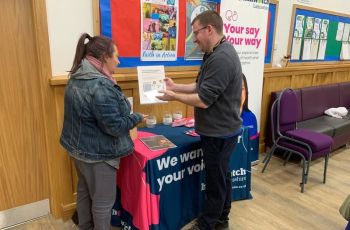
In June, Healthwatch Lancashire organised and hosted a dedicated Women’s Health event to showcase the findings from our recent project, Talk to Us: Women’s Health. The event was designed as a space to share what we learned, reflect on the experiences local women had shared with us, and discuss the next steps needed to improve women’s health support across Lancashire.

The day also brought together a range of local women’s health and wellbeing charities, giving them the opportunity to connect with the public and highlight the services, advice, and community support available. 

More than 40 members of the public and professionals attended, representing a wide mix of roles, organisations, and lived experiences. And since then, we’ve seen positive examples of further activity taking place across the county- work that has been inspired, supported, or encouraged through the conversations and connections made on the day.

We also gathered valuable feedback on several elements of the event, helping shape how we continue this work going forward.

    "Really interesting/informative and has given me some areas to look further into. Thank you to the speakers especially Sarah Bibby, incredibly informative and clearly a key person to advocate for women."
    "Really interesting topic and speakers. Useful in connecting with the priorities in the local area and the developments to address these priorities."
    "It was a great event and it was clear that everyone really cared about their work. You’ve done a really important thing connecting all the different services in this way."

Signposting individuals for better support whilst in NHS care

A member of the PF Self Advocacy Group in Lancaster and her mum recently met with the team to discuss ongoing challenges during hospital treatment. They reported issues including a lack of autism awareness among staff and important personal needs not being listened to or met.

During the meeting, the family were introduced to the hospital passport as a tool to help communicate needs and ensure reasonable adjustments are recognised. A copy was shared with them following the discussion.

Shortly afterwards, the mum provided an update, explaining that they had completed the hospital passport and found it extremely useful. She noted that they had been unaware of the resource previously and felt it would make a positive difference to future appointments.

This support helped the family feel more confident navigating healthcare and strengthened their ability to ensure the individual’s needs are clearly understood.

Strengthening internal communication to being a healthier workplace

We strengthened internal. communication across Healthwatch Lancashire by helping the team to understand ow to communicate more effectively with one another. This created clearer expectations, a more supporting environment and a culture where everyone feels heard. 

We also invested in staff wellbeing through dedicated team afternoons that encouraged connection, reflection and shared learning. These sessions gave staff space to recharge, build relationships and support one another, that ultimately contributes to a healthier and more resilient workplace. 

Hearing the experiences of the deaf community

Healthwatch Lancashire ran an engagement project between October 2023 and March 2024 to explore the experiences of the Deaf community who use British Sign Language (BSL) when accessing health and social care services. Feedback was gathered from 149 people through focus groups, case studies and an online survey. A mystery shopping activity was also conducted. The report details our findings. (Read the report here)

The main themes that were identified through engaging with individuals and carers:

Barriers when trying to book a medical appointment due to the requirement to book an appointment by phone and only telephone appointments being available.

Barriers during a medical appointment due to a lack of interpreters or unreliable video interpretation, resulting in distressing appointment experiences.

Barriers in accessing support from the local authority.

Since the completion of the project we have been working with our partners in order to see through the recommendations that were made in the report. We held our first meeting of the group on the 1st July 2025 and shared some of the successes that have happened since the project was completed.

Members include representatives from:

  • Lancashire and South Cumbria Integrated Care Board
  • Lancashire County Council
  • East Lancashire Hospitals Trust
  • Lancashire Teaching Hospitals Trust
  • University Hospitals of Morecambe Bay Hospital Trust
  • N-compass

We have received news that a dedicated social worker for Deaf people has been appointed following on from our report. The role of the Deaf Link Worker is under review with a view to expanding the role in order to enhance the current provisions in place.

Future meetings will focus on working with our partners to work through the recommendations made in the report to find practical, workable solutions to some of the barriers that were reported in the initial project.